
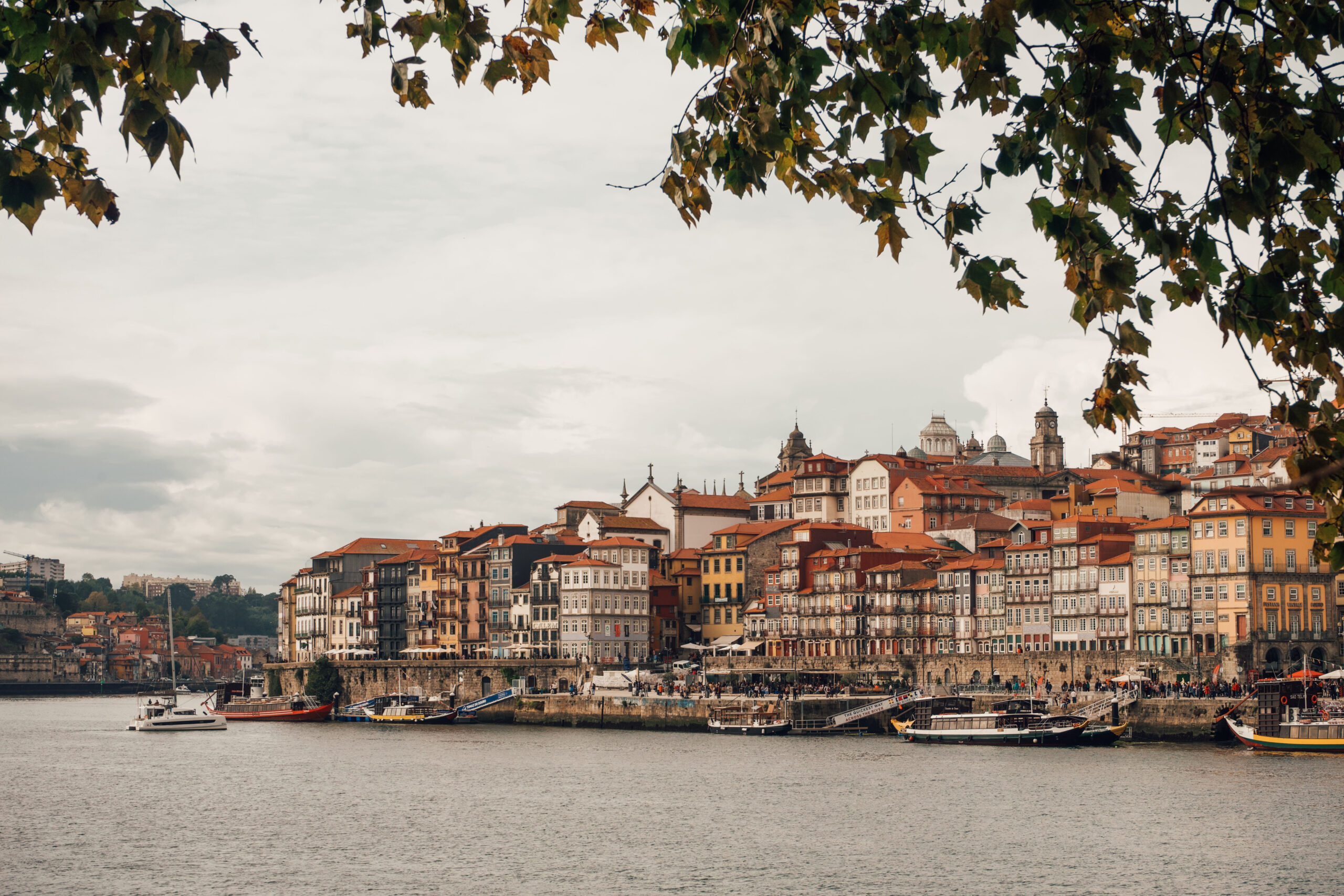

I spent a weekend in Porto in October 2023, three days, at the end of a business trip. I would have liked to do many more things such as a cruise on the Douro River, but unfortunately there was not enough time. However, I managed to do many activities typical of this magnificent and rainy town, such as a wine tasting in one of the cellars in the Vila Nova de Gaia district, and attend a Fado concert. Porto is a real feast for the eyes, a city capable of conquering from the first moment, thanks to its ups and downs, its decadent houses but with a magical atmosphere and above all thanks to the Ribeira district, from which you can admire a crazy panorama and the boats passing under the Dom Luis Bridge. The perfect destination for a weekend getaway!
10 things to do in PORTO
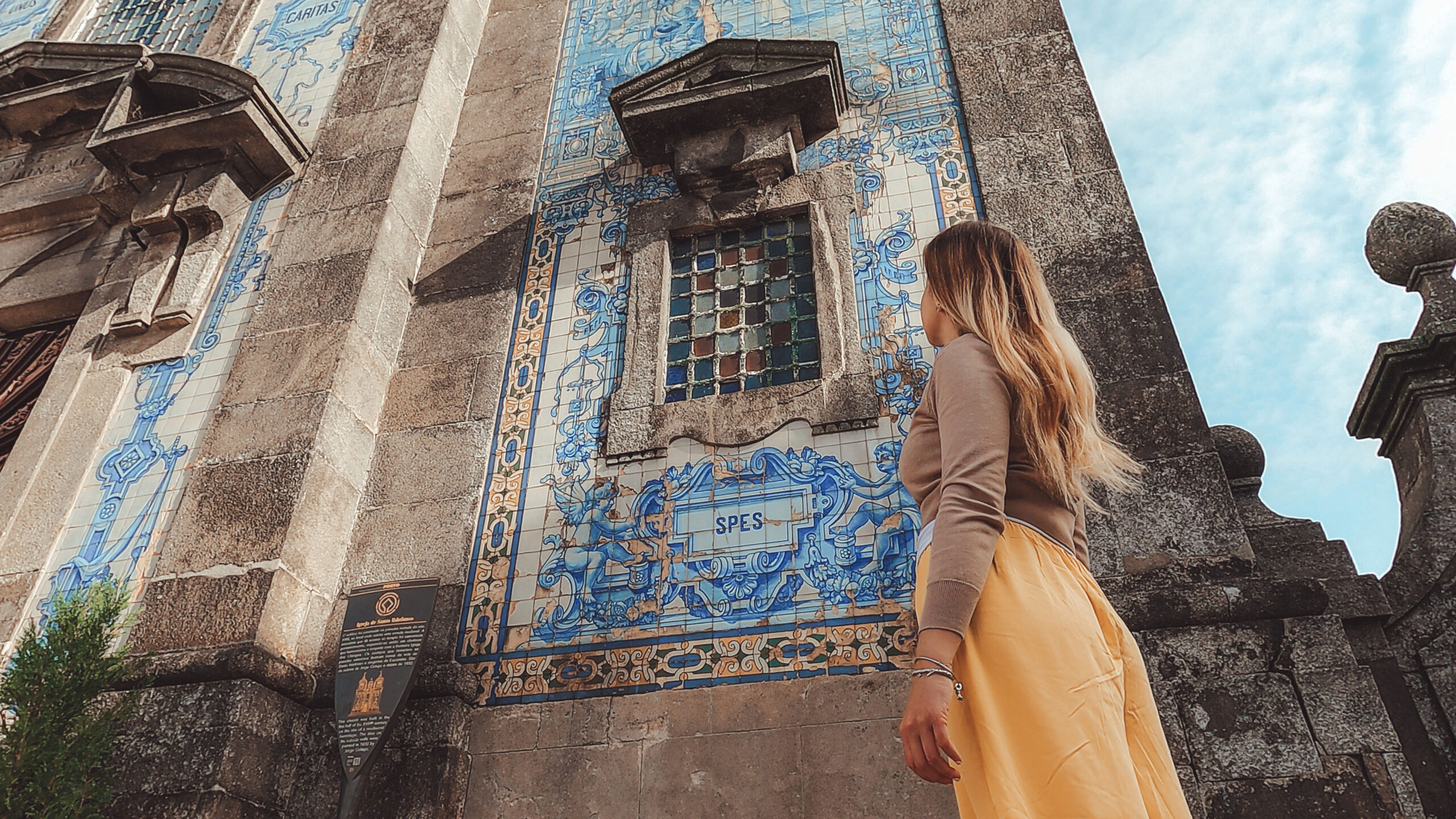
1. STARE AT THE SUPER COLORED AZULEJOS OF IGREJA DE SAN ILDEFONSO
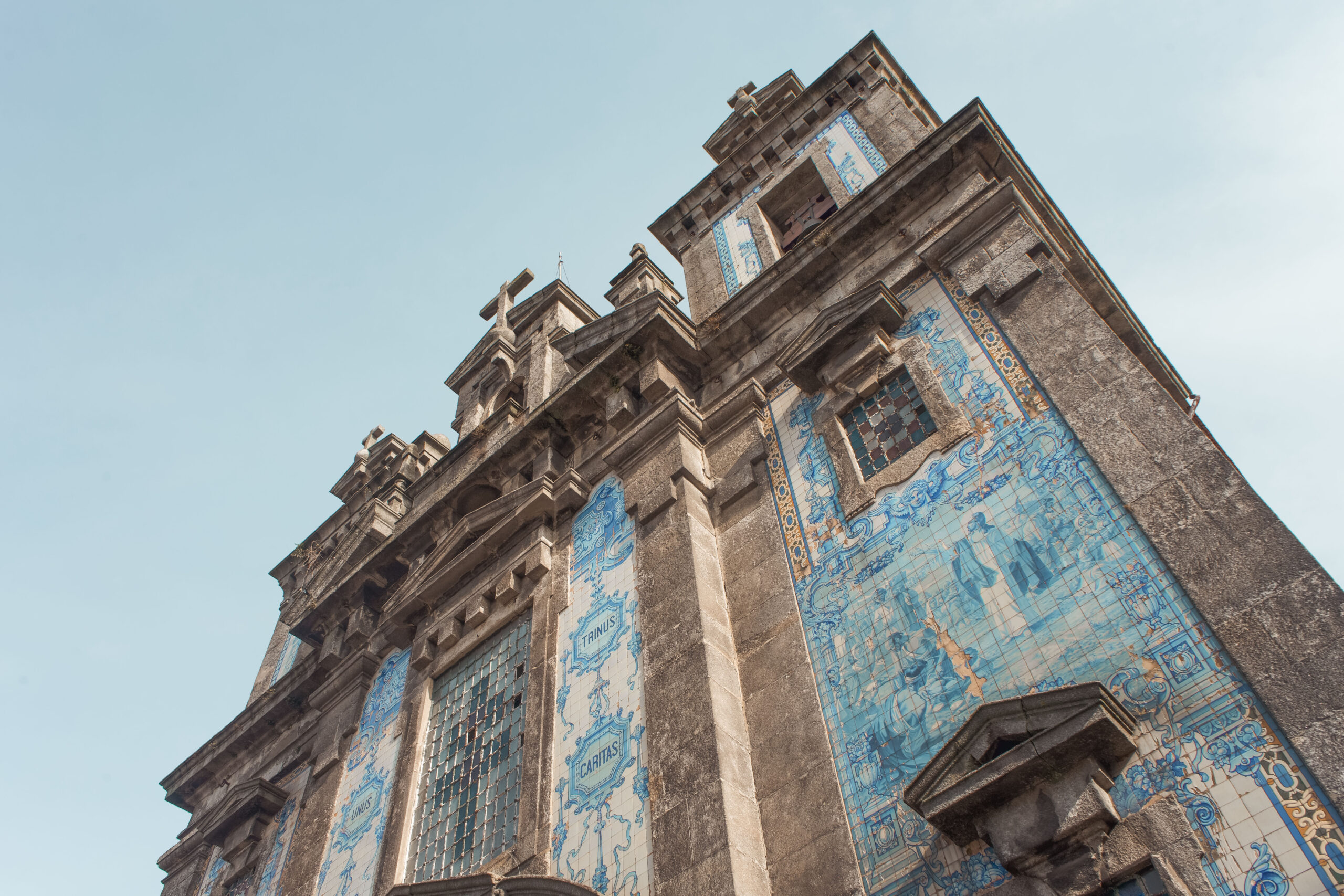
When you are lucky enough to have your hotel facing the church of San Ildefonso, how can you avoid starting the morning with a walk on its steps admiring the azulejos of its facade? This church is located on one side of the central Plaza da Batalha, in the upper part of the city. It can be seen from different points of the lower city, since it is located on an elevated platform which is accessed via a staircase.
Around 11,000 tiles (azulejos) cover the facade of the church. They represent scenes from the life of San Ildefonso. The church is included in the set of works of the historic center of Porto, classified by UNESCO as a World Heritage Site in 1996. It is ideal for a morning walk and very close to the Cafè de Majestic, where you can then stop for breakfast .
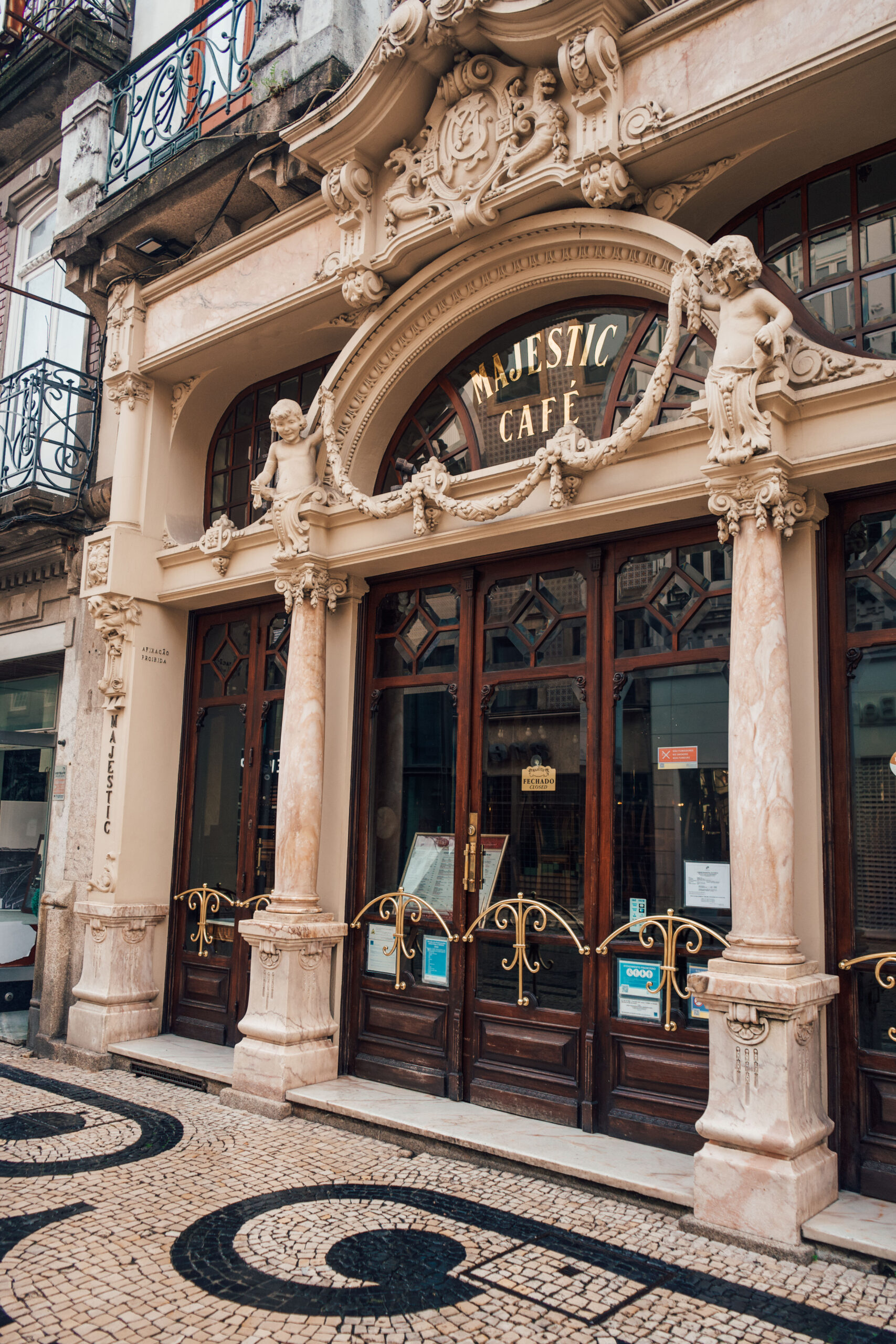
2. HAVE BREAKFAST AT MAJESTIC CAFE’, THE MOST HISTORICAL ONE IN PORTO
Harry Potter fans know it: writer J.K. Rowling lived in Porto for a few years, from 1991 to 1993. During the day she dedicated herself to writing, in particular the writing of Harry Potter and the Philosopher’s Stone.
The university students with long black cloaks, the streets and alleys of the old city, the famous Lello bookshop with its rounded staircase, everything contributes to making the atmosphere of this Portuguese city particularly evocative: that Porto sparked the imagination of J.K. Rowling, it’s not surprising at all. The writer liked to go in particular to the historic Café Majestic, a café from the Belle Époque period with interiors decorated with wooden inlays, mirrors and chandeliers, which since its first opening in 1921 has attracted artists, intellectuals and politicians who, within the walls of this historic venue, discuss, dream, create. To drink a coffee at the Majestic Café, now reported in all the guides, sometimes you have to queue for a while, but you are rewarded by the refined atmosphere of the place, full of charm.
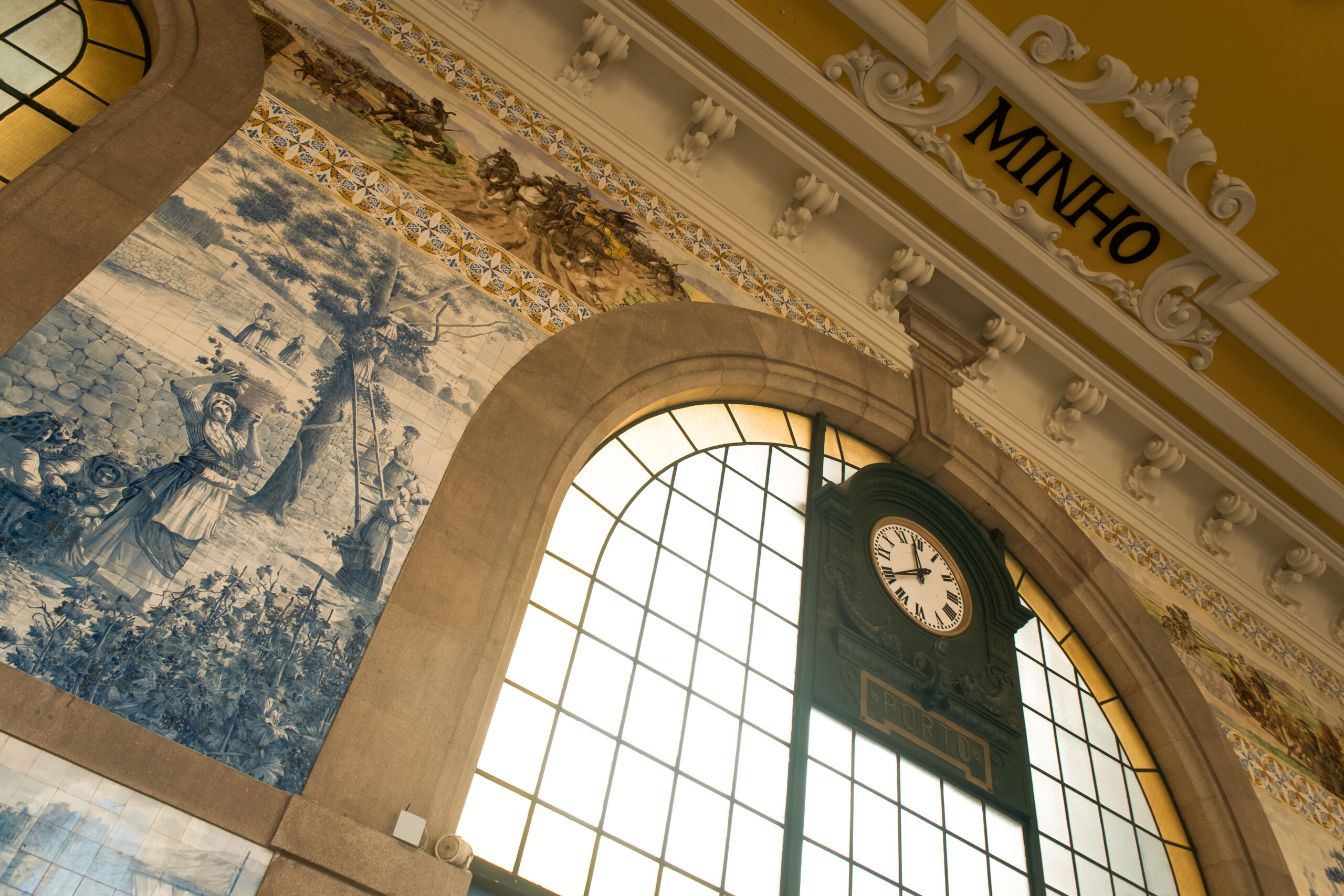
3. ENTER AT SAO BENTO STATION BUT NOT TO TAKE A TRAIN
The church of San Ildefonso is not the only place to admire the azulejos, in fact the Sao Bento station (you got it right, a station) is also full of them.
The station is today one of the most visited tourist attractions in Porto. The station has more than 20,000 azulejos painted in white and blue at the beginning of the 20th century by Jorge Colaco, the most important Portuguese decorator. As soon as you enter you are invaded by the light blue color of the tiles illuminated by the sun entering through the large windows, which reproduce the history of the means of transport in chronological order, from the beginnings to the appearance of the train. The large panels depict scenes from Portugal’s history. It is not common to enter a station mostly to admire its architecture, but this is indeed the case of Sao Bento station.
4. TAKE ALL 225 STEPS OF TORRE DOS CLÉRIGOS TO SEE THE CITY FROM ABOVE
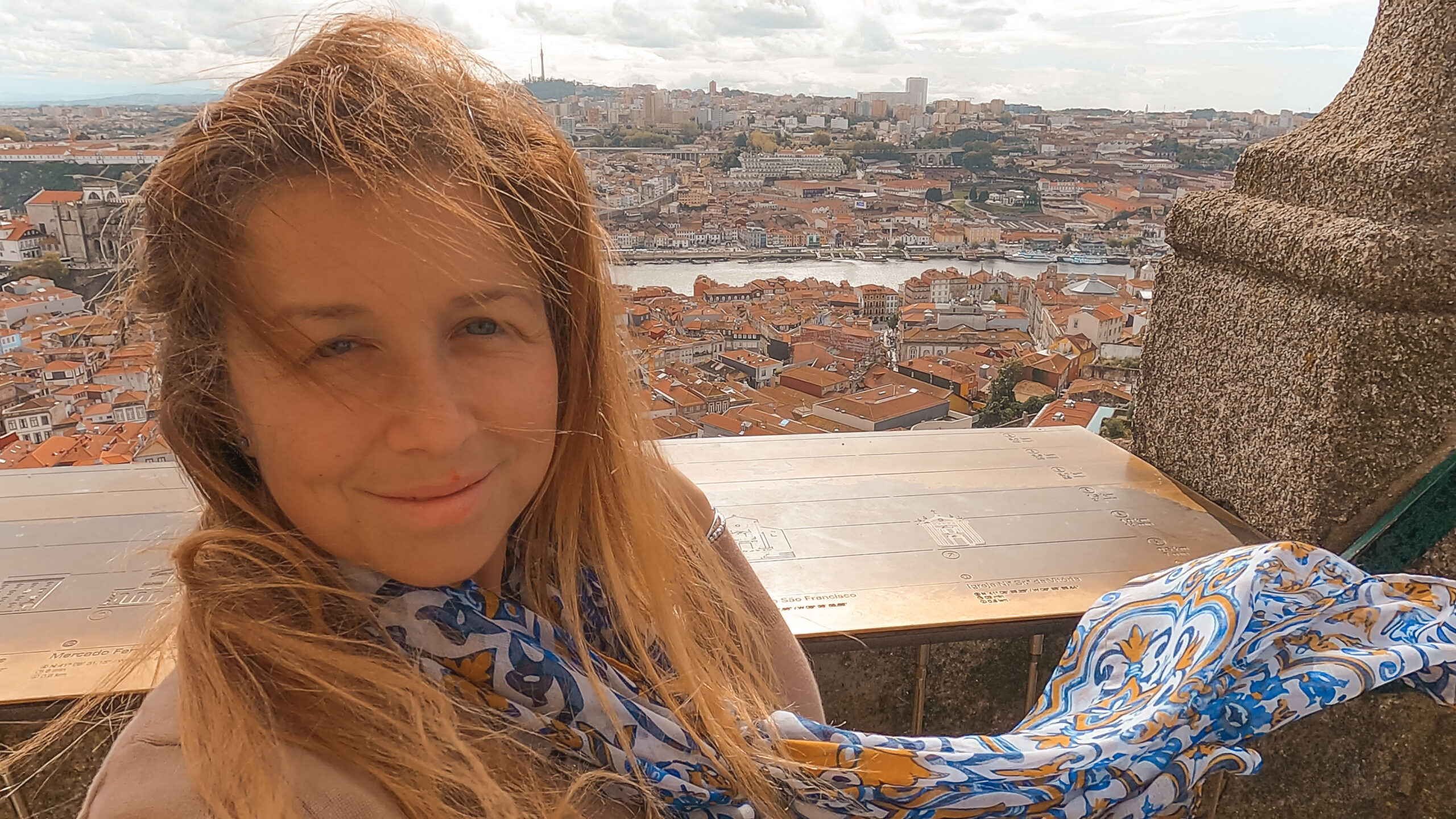
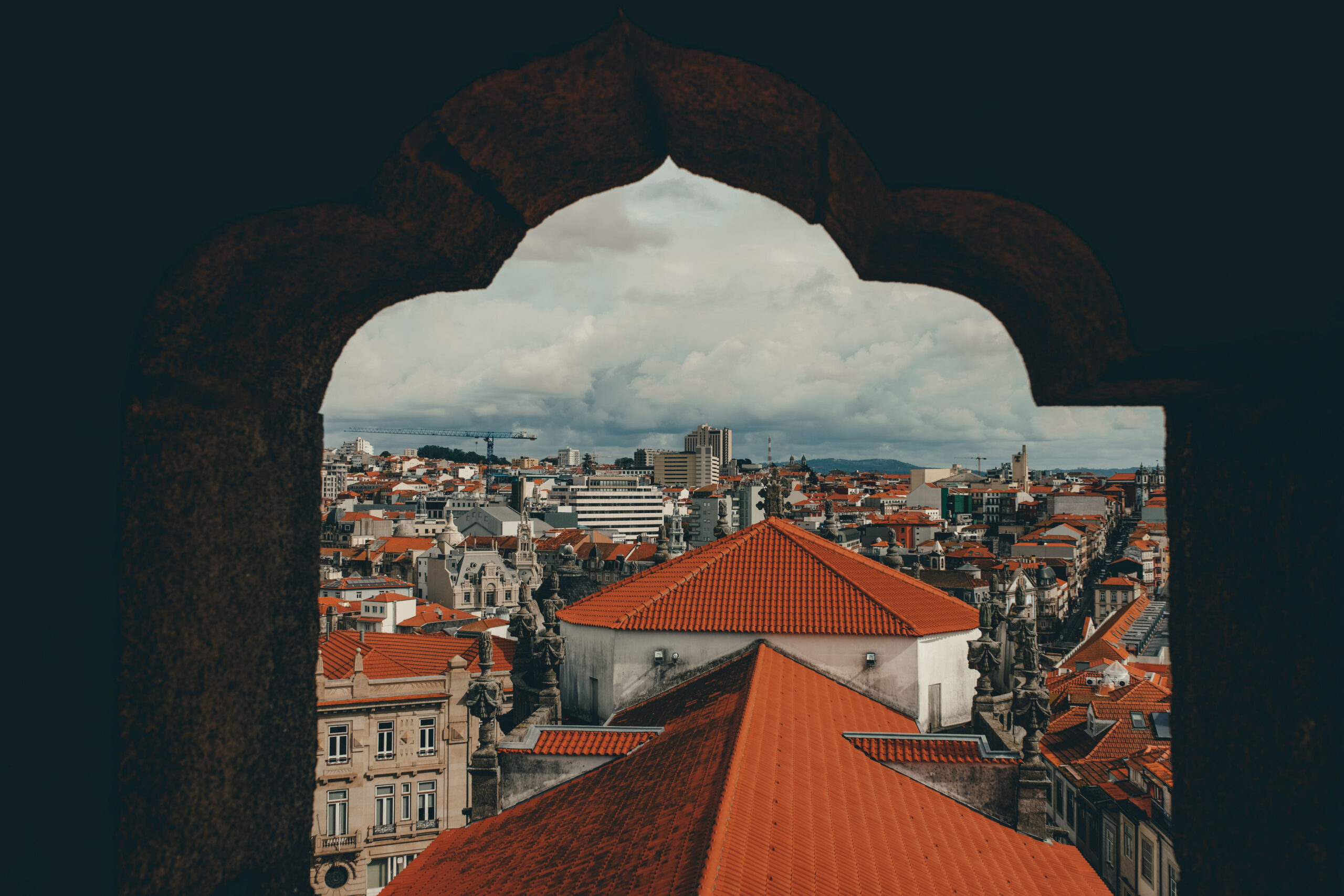
The Torre dos Clérigos is a stone tower, symbol of the city of Porto, Portugal. It is also the tallest tower in Portugal; its 76 meters high and 225 spiral steps give access to a privileged panoramic view of Porto. The intricately carved baroque shells and garlands on the church reflect Porto’s seaside location, and the bell tower offers panoramic views of the city. It was designed by the Italian architect Niccolò Nasoni and built between 1754 and 1763. There are 49 bells on the tower, which scare visitors by ringing suddenly. It is not particularly easy to climb to the top as the space becomes increasingly limited, and is not recommended for claustrophobic people, but once at the top all the effort will be worth it, to enjoy the extraordinary views of Porto and of the Douro river.
5. EAT THE TYPICAL “GAMBAS AO ALHO” IN THE RIBEIRA DISTRICT
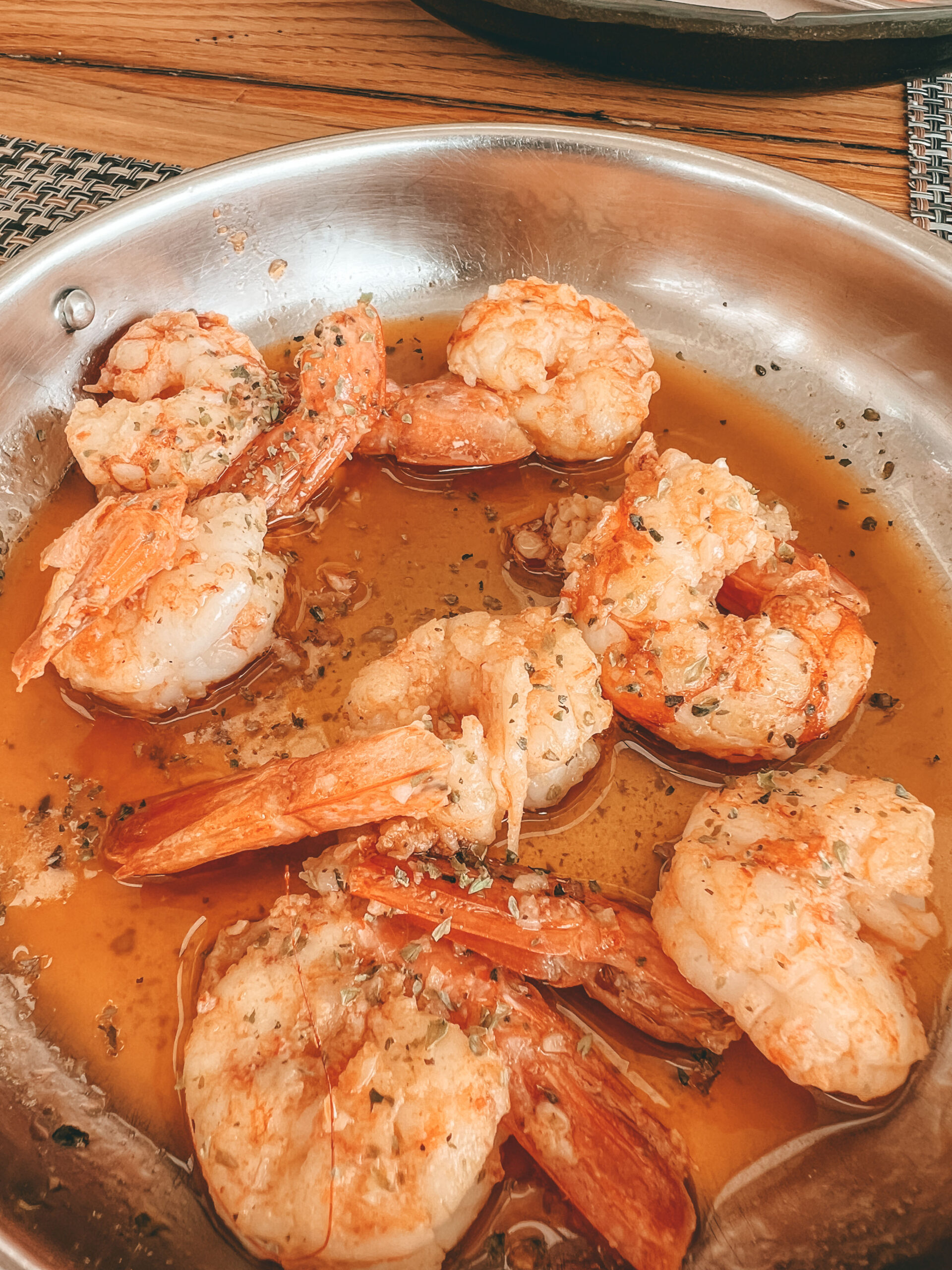
Porto is a city with a gastronomic offer that is truly accessible to everyone. Crossed by the Duoro river, it is divided into three main areas: the romantic and picturesque Ribeira district, dotted with rows of restaurants overlooking the river bank; the historic center, with numerous bars, fast food outlets and the famous Mercado do Bolhão; and the cellar area, located on the opposite bank of the Duoro (in the municipality of Vila Nova de Gaia), where the famous Port wine is produced. Some of my favorite dishes from this city are: Bifana, a typical Portuguese street food consisting of a small sandwich filled with pork marinated in a spicy sauce and then soaked in the marinating sauce; Frenchenha, an ultra-stuffed sandwich with slices of beef, fresh sausage, cooked ham, all covered in melted cheese; Pasteis de nata, now very famous and a symbol of Portugal, and obviously bacalhau, the very typical fish. However, my favorite plate is always Gambas ao alho, of course accompanied with white bread so as not to leave anything on the plate!
6. VISIT ONE OF THE PORT CELLARS IN VILLA NOVA DE GAIA
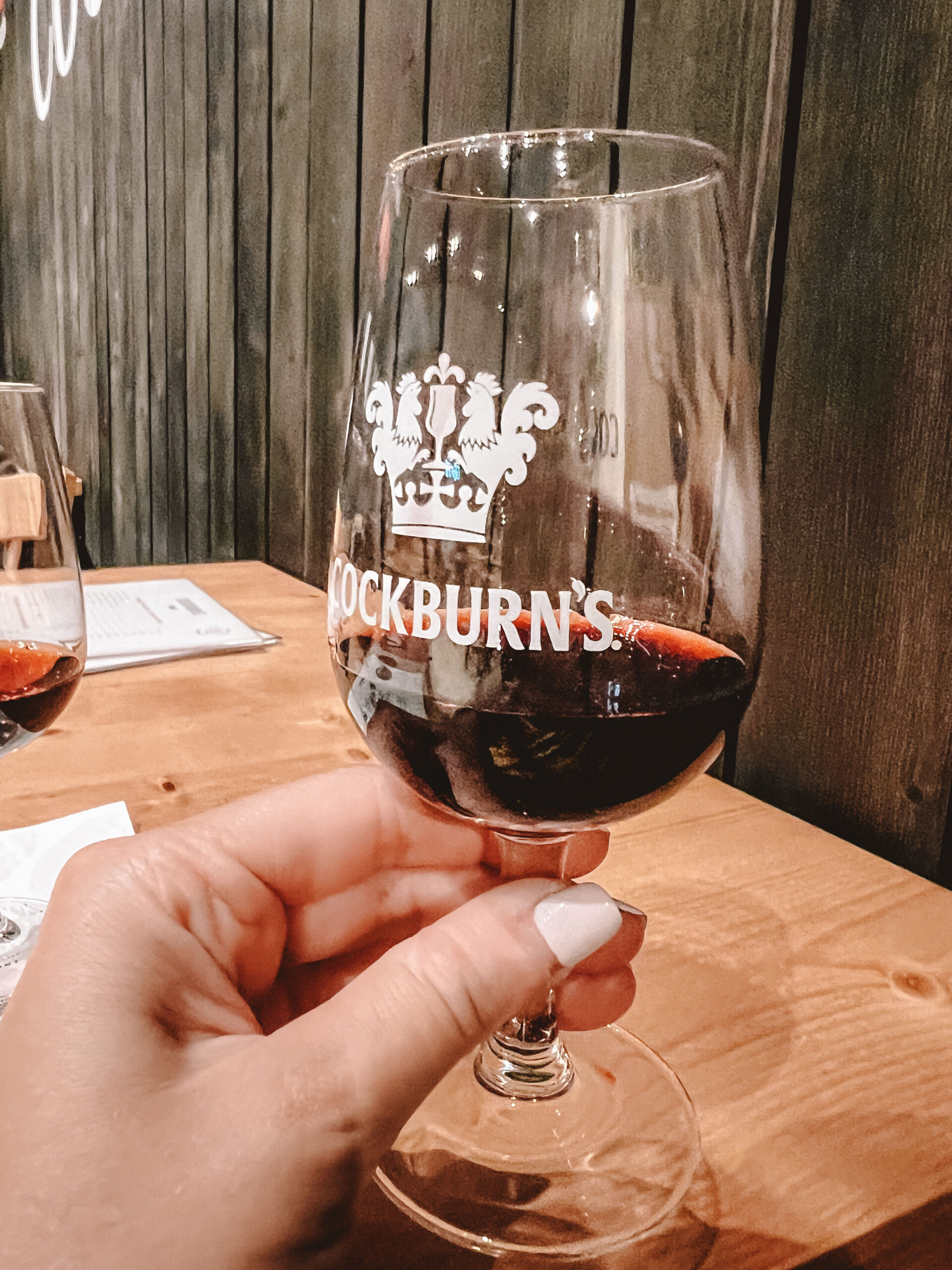
Do you like wine? In this case, Vila Nova de Gaia cannot be missed to make your Porto experience complete. In fact, here there are the most famous Port wine cellars, the typical wine of the city. In this neighborhood there are numerous wineries that offer tours and tastings. This neighborhood is also known for sandy beaches like Praia da Madalena and the scenic Cais de Gaia street along the river, with terraced cafes and views of the Douro river. Small restaurants serve grilled fish and seafood in Afurada, an old fishing village with picturesque tiled houses overlooking narrow streets. The fundamental difference between Port wine and the rest of the wines is the brandy which is added to stop the fermentation. In this way, the original sweetness of the grapes is preserved, maintaining a high level of alcohol. I enjoyed a visit to the Cockburn’s cellars, and at the end we tasted 4 different types of wine, white and red, an ideal aperitif before a dinner in the Ribeira district!
7. WALK ON PONTE DOM LUIS FOR THE BEST SUNSET VIEW
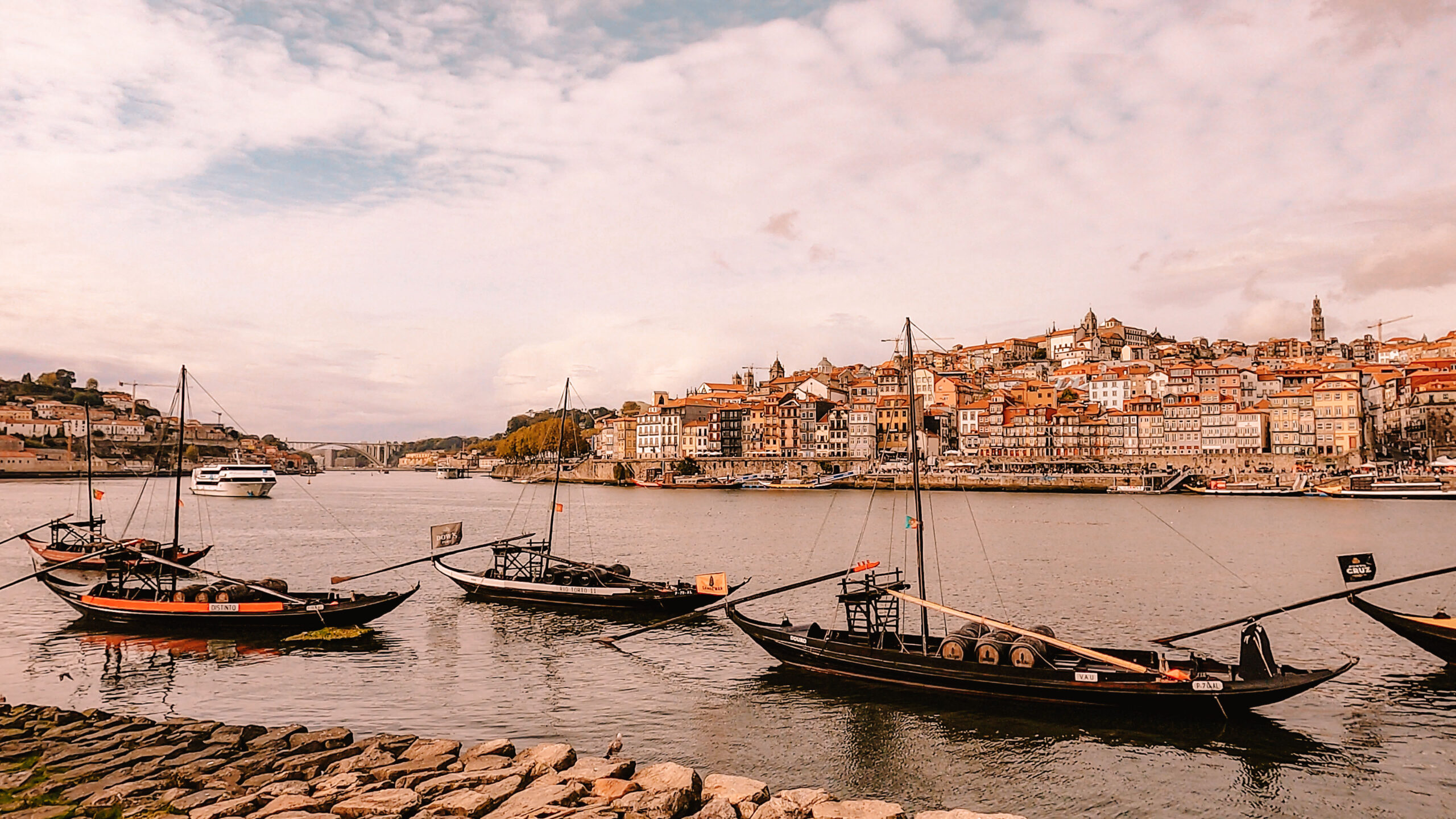
A walk along the over 170 meters of length overlooking the Douro is one of the things to absolutely do in Porto, particularly at sunset, as the panorama of the Ribeira district and the Douro illuminated by the lights of the sunset are a romantic and priceless spectacle. The Dom Luis I is Porto’s iron bridge that connects the Ribeira district with the twin town of Vila Nova de Gaia. The scenic effect of the bridge, especially at sunset or at night, is spectacular. Its construction began in 1881 at the hands of the engineer Théophile Seyrig, a disciple of Eiffel.
The Dom Luis I Bridge, in addition to being an architectural element with a strong aesthetic taste, also has a certain functionality for the city of Porto, as it is open both to road traffic and, since 2003, to the city metro on the upper level. I walked across the bridge several times over the weekend, and I sat on the banks of the Douro enjoying the view of the Ribeira neighborhood from the other side of the river.
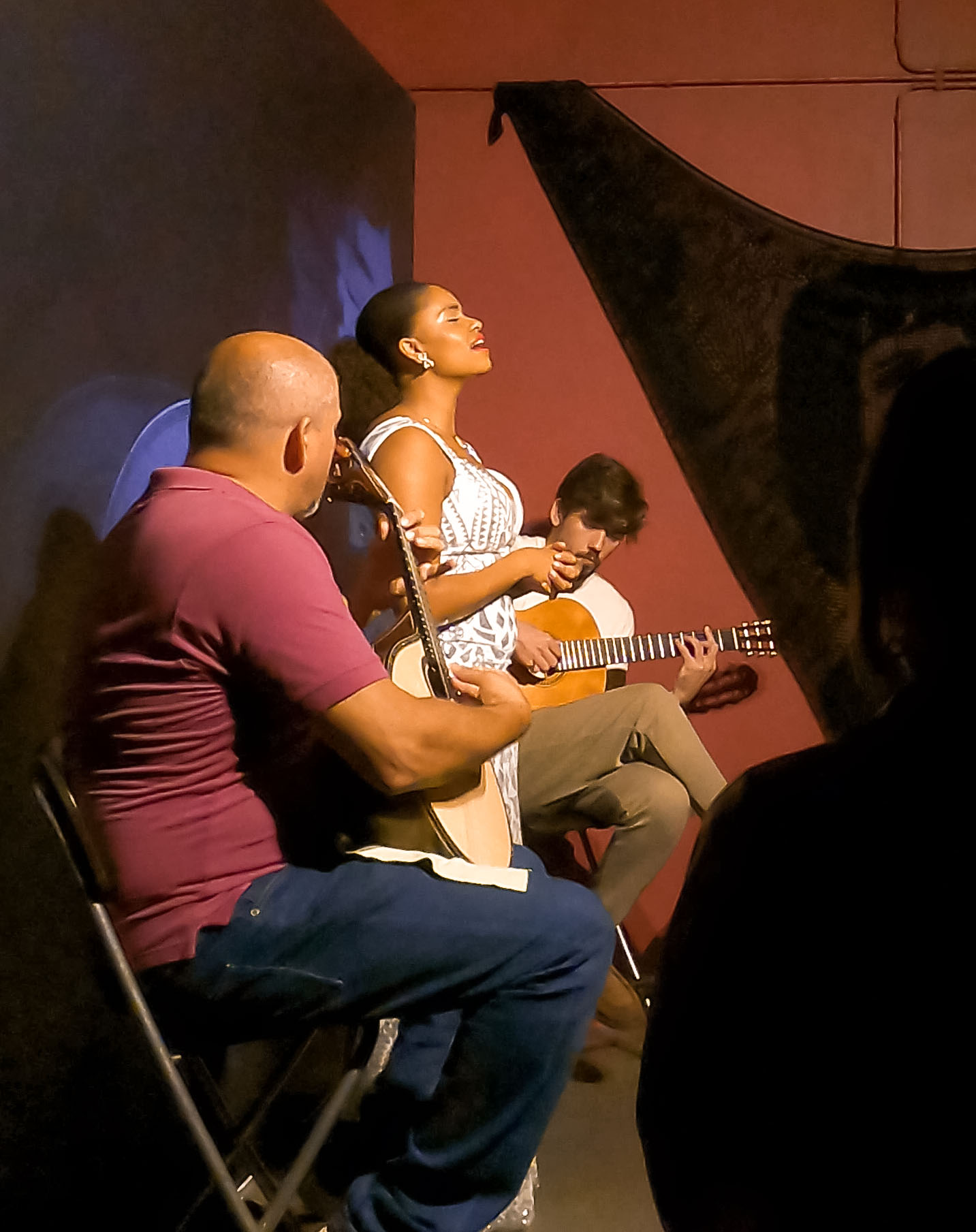
8. ATTEND A FADO SHOW
A shawl, a guitar, a voice and a lot of feelings. Famous Portuguese symbol, this simple image describes Fado. Fado is a genre of Portuguese popular music, especially typical of the cities of Lisbon and Coimbra. The name derives from the Latin fatum (destiny) as it is inspired by the typical Portuguese feeling of saudade and recounts themes of emigration, distance, separation, pain, suffering. Attending a fado show is an unmissable experience, but don’t think it’s something exciting and fun! 🙂 Jokes aside, fado is a song that deals with not particularly happy themes, the themes are many: tormented loves, finished stories, nostalgia for a person or a distant and unattainable place. All negative emotions, some will say. But fado is also about waiting and hope. It is a feeling too complex to be categorized, so the best thing to do is to sit, enjoy a glass of Porto wine and let yourself be carried away by its notes, with your heart and ears open, to get closer to the true Portuguese identity.
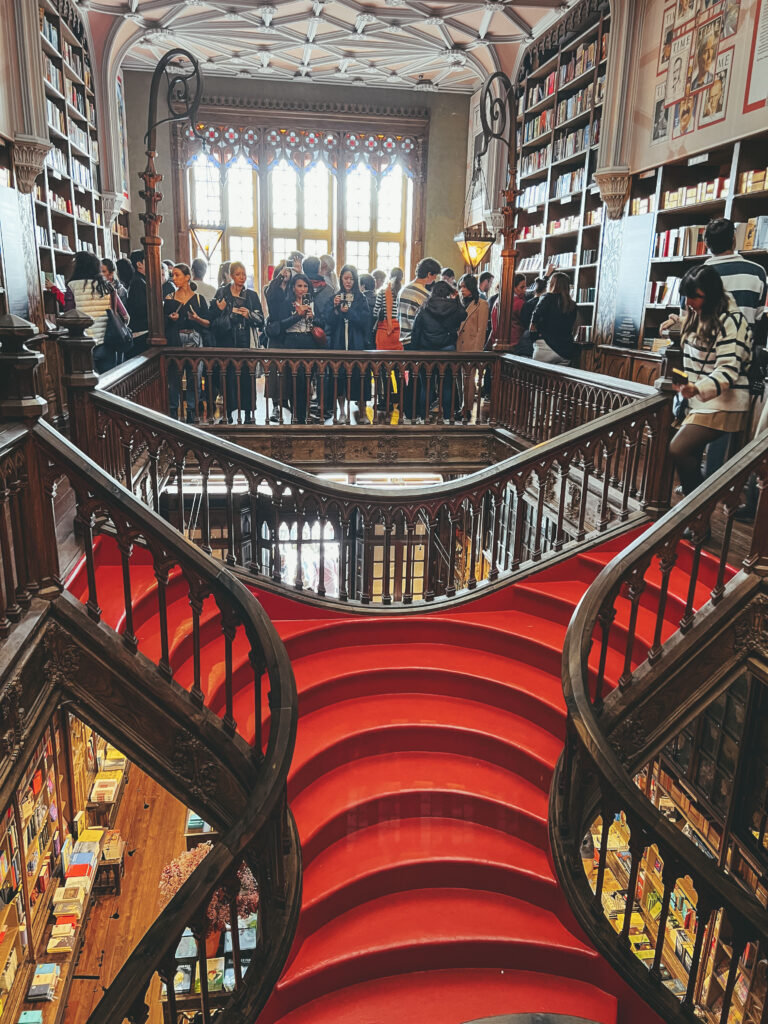
9. BUY A BOOK AT LIVRARIA LELLO
The “Lello” bookshop is located in the historic center of Porto, it is a historic bookshop opened in the second half of the nineteenth century where today you can still breathe an atmosphere of times gone by. It has a very long history and singular architecture, in particular its magnificent external façade with its stained glass window and its figure-8 wooden staircase with red steps. The number of visitors increased disproportionately when word spread that Rowling took inspiration from this place that she loved so much to tell the story of the famous wizard Harry Potter. Everything in this bookshop seems to create a magical and fairy-tale atmosphere, and even if you are not interested in books, this bookshop will leave you enchanted!
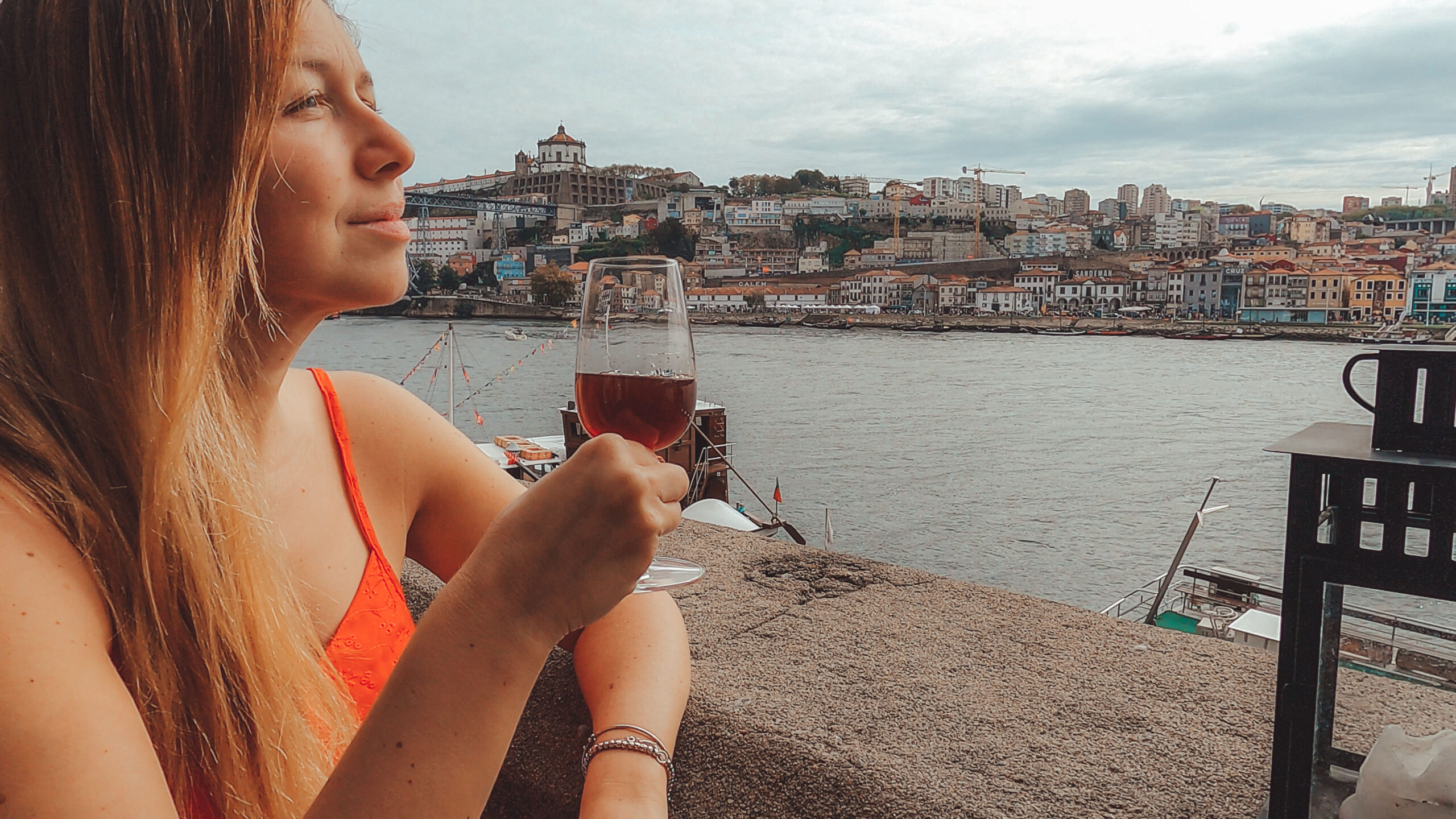
10. DRINK A GLASS OF PORTO WINE ON THE RIVERSIDE IN RIBEIRA
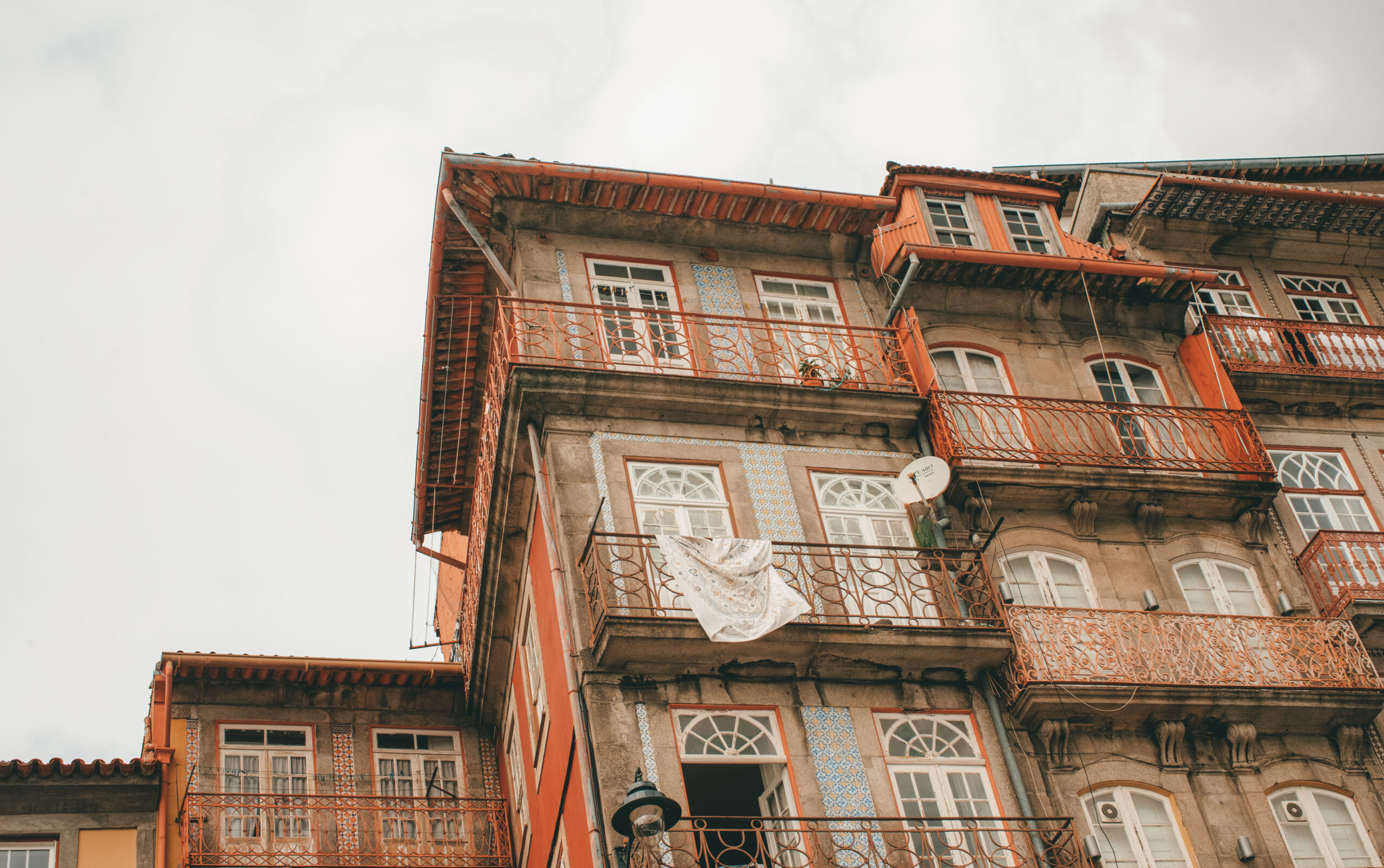
The UNESCO inspectors must not have thought much about it when they decided to include the Ribeira in the list of World Heritage sites. Ribeira is the neighborhood that stretches along the Douro river. A maze of steeply sloping cobbled streets, low houses with colorful facades, tree-lined squares, flower-filled balconies, clothes hanging out to dry, old men outside their doors, bars, restaurants and craft shops contribute to creating a unique urban landscape. The Dom Luis I iron bridge starts in the lower part of the Ribeira and leads to the twin town of Vila Nova de Gaia, world famous for the production of the best Port wine in Portugal. Around the bridge and along the entire bank of the Douro doze the barcos rabelos, the characteristic boats with barrels on board which for centuries have been used to transport port wine from the production cellars to the warehouses. Today they mainly serve to take tourists for a ride along the river and enjoy Porto from a different perspective. This historic neighborhood is a true concentration of authentic Portuguese atmosphere, fascinating architecture and vibrant nightlife.
When to go?

Winter
Winter, from December to February, is mild: daytime temperatures fluctuate around 14/15 degrees. The rains occur in periods of bad weather that last a few days, and can be abundant. On the coldest nights of the year, the temperature is around 0°C.

Spring
Spring, from March to May, is cool, with episodes of bad weather and wind still quite frequent, alternating however with periods of good weather, with mild temperatures. In May the average maximum temperature is 20 degrees.

Summer
Summer, from June to mid-September, is mild to pleasantly warm. In fact, there can be quite cool periods, with highs around 20/23 degrees, alternating with hotter periods, in which the temperature fluctuates between 26 and 30 degrees.

Autumn
Autumn, from mid-September to November, is mild and gradually rainier, although the good weather often lasts until mid-October.
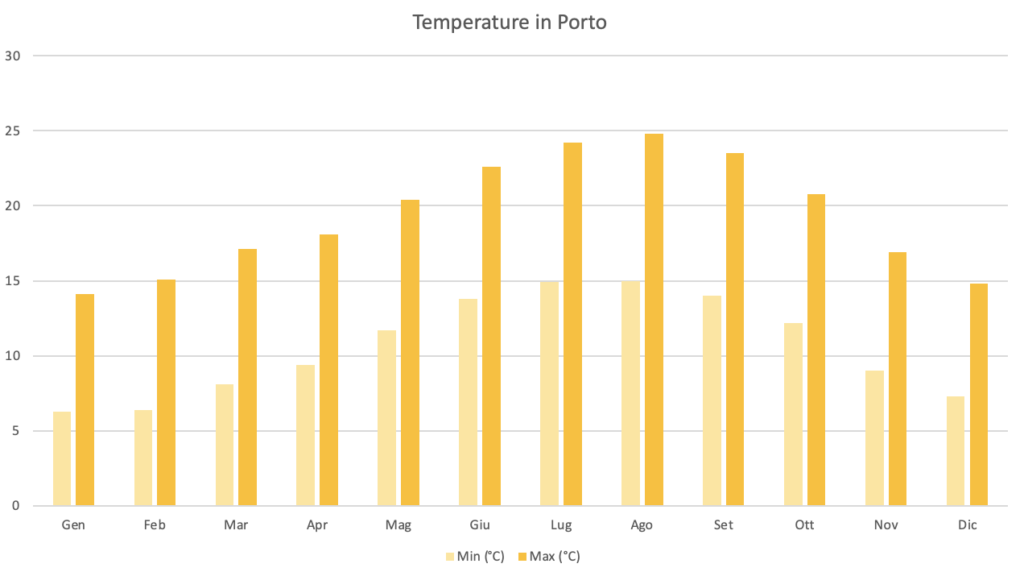
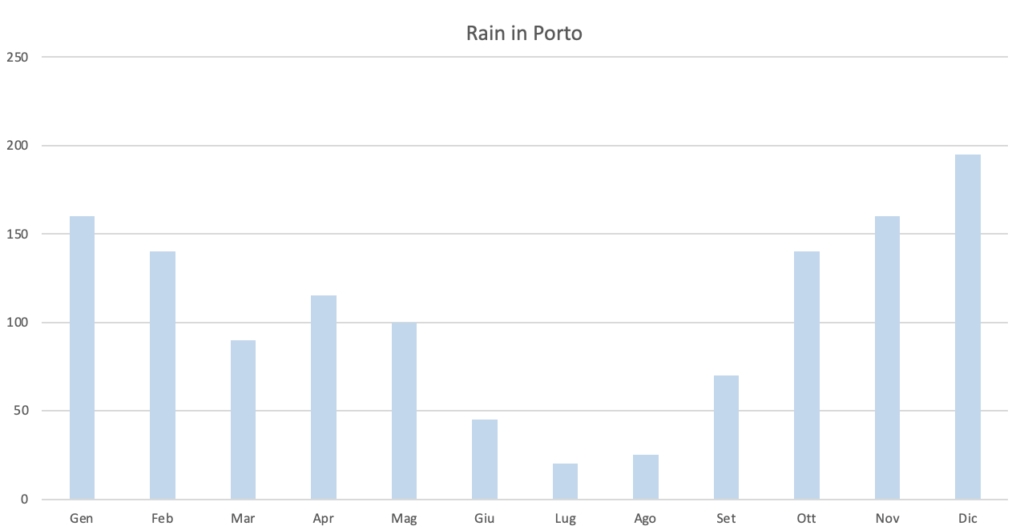
The best time to visit Porto is from June to September, being the hottest but above all the least rainy of the year. July and August are the hottest months, but the heat is rarely excessive, and moreover they are the ones in which rainy days are rarest; moreover, even in September the rains are still quite rare. It is also possible to go in May, but cool and rainy days are more frequent.
three unmissable stops
Best photos spots
I’m a photographer, so I’m always looking for the best corner in the world to make the perfect picture. Often, with great pleasure of my traveling companions, I also spend hours staring at the landscape, waiting for the perfect moment with perfect light. Therefore, when I decided to create my blog, I could not avoid to include a dedicated section to photography enthusiasts like me, always looking for the landscape that leaves you breathless. Hope you will enjoy these places where, in my opinion, you can enjoy wonderful landscapes and take the best pictures.
0 Comments